Pest guide
Dustlouse
Lepinotus patruelis
- Do you need a pest-control professional?
It depends
Whether professional treatment is needed depends on the extent and circumstances. Possible response: Moisture control, cleaning and treatment as needed.
- Potential harm
Causes little damage but indicates damp and mould
- What to expect
Possible response: Moisture control, cleaning and treatment as needed. If you are unsure of the species, call and describe what you found before deciding what to do.
Not sure? Call and describe it. Identification by phone is free.
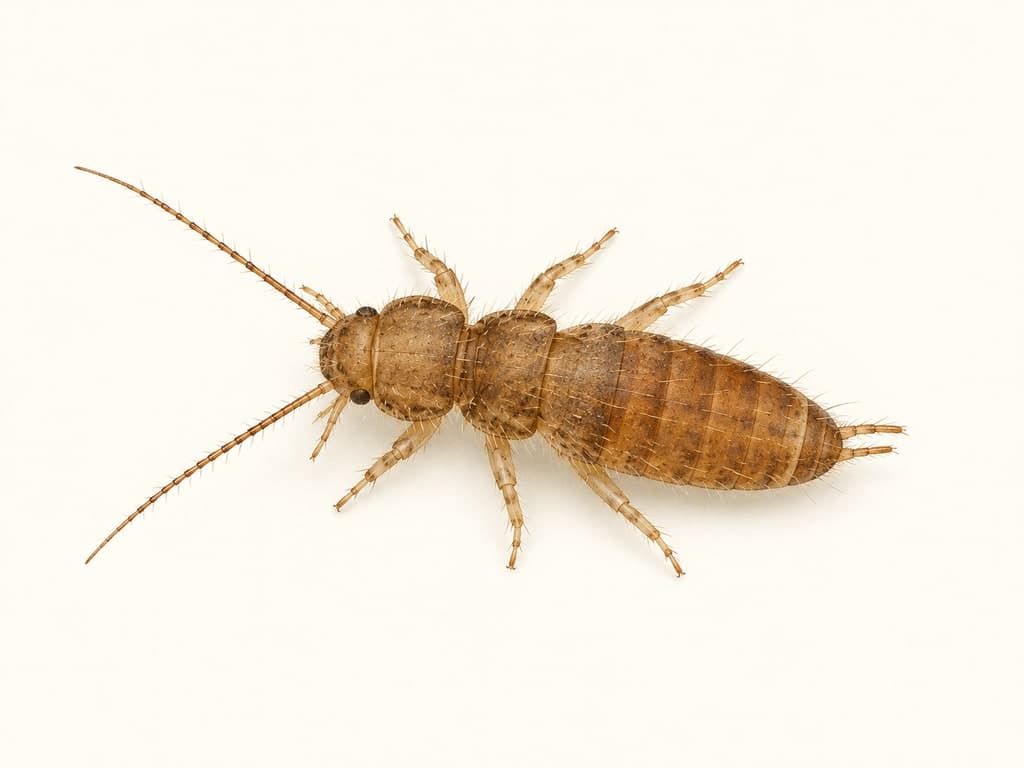
About this species
This entry covers Dustlouse (Lepinotus patruelis). Typical location: Damp storage and paper. Potential harm: Causes little damage but indicates damp and mould. Possible response: Moisture control, cleaning and treatment as needed.
Facts
- Latin name
- Lepinotus patruelis
- English name
- Dustlouse
- Preferred conditions
- Damp storage and paper
- Life cycle
- Varies with conditions and life stage
Response and treatment
Moisture control, cleaning and treatment as needed
Treatment depends on the species, extent and circumstances. Products are not always needed. Any products used are permitted for the intended use in Iceland. Follow their instructions and the pest-control professional’s guidance.
Do you have an unwelcome visitor?
Call and describe it. Advice is free, and one phone call often solves the problem.